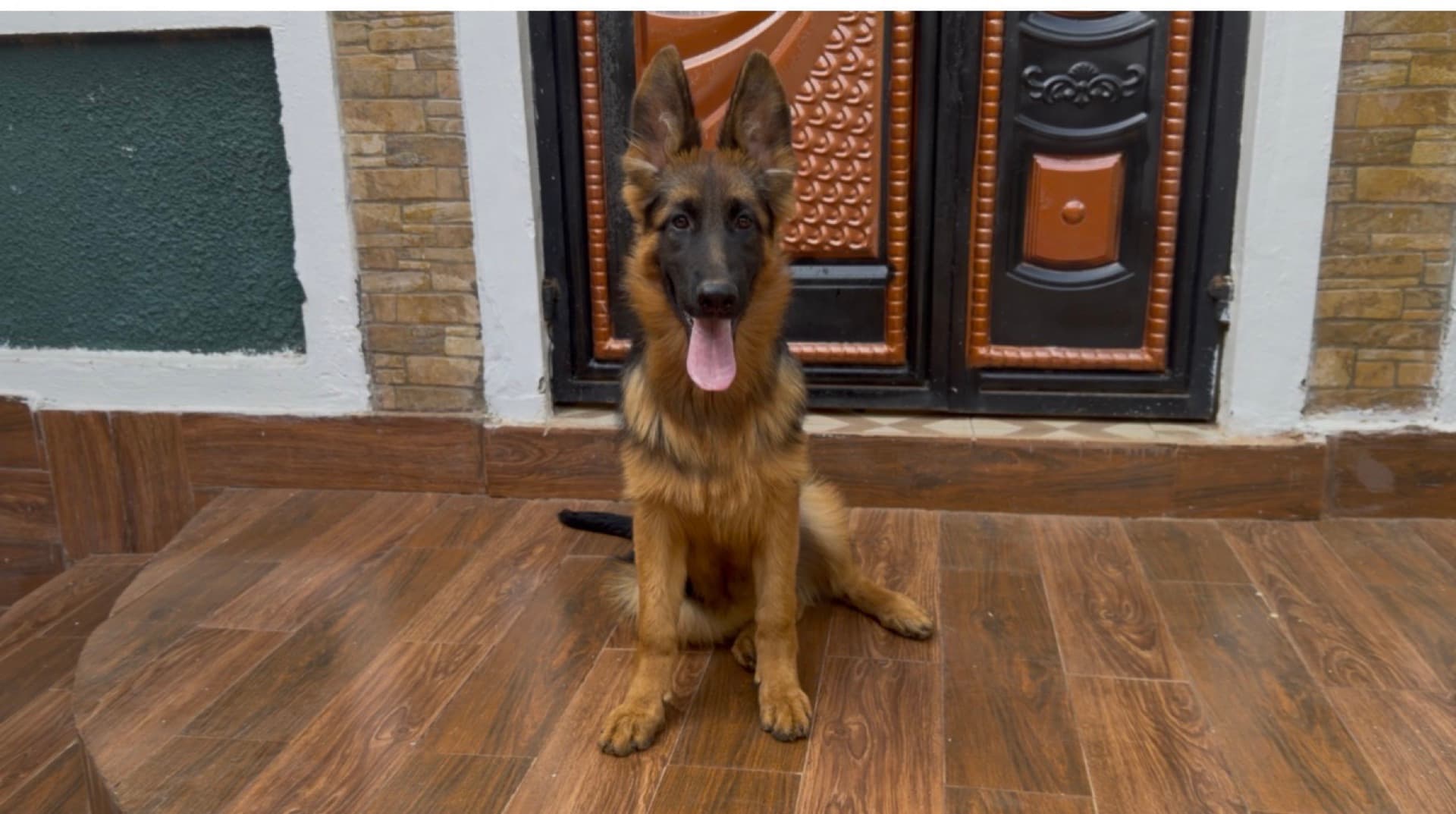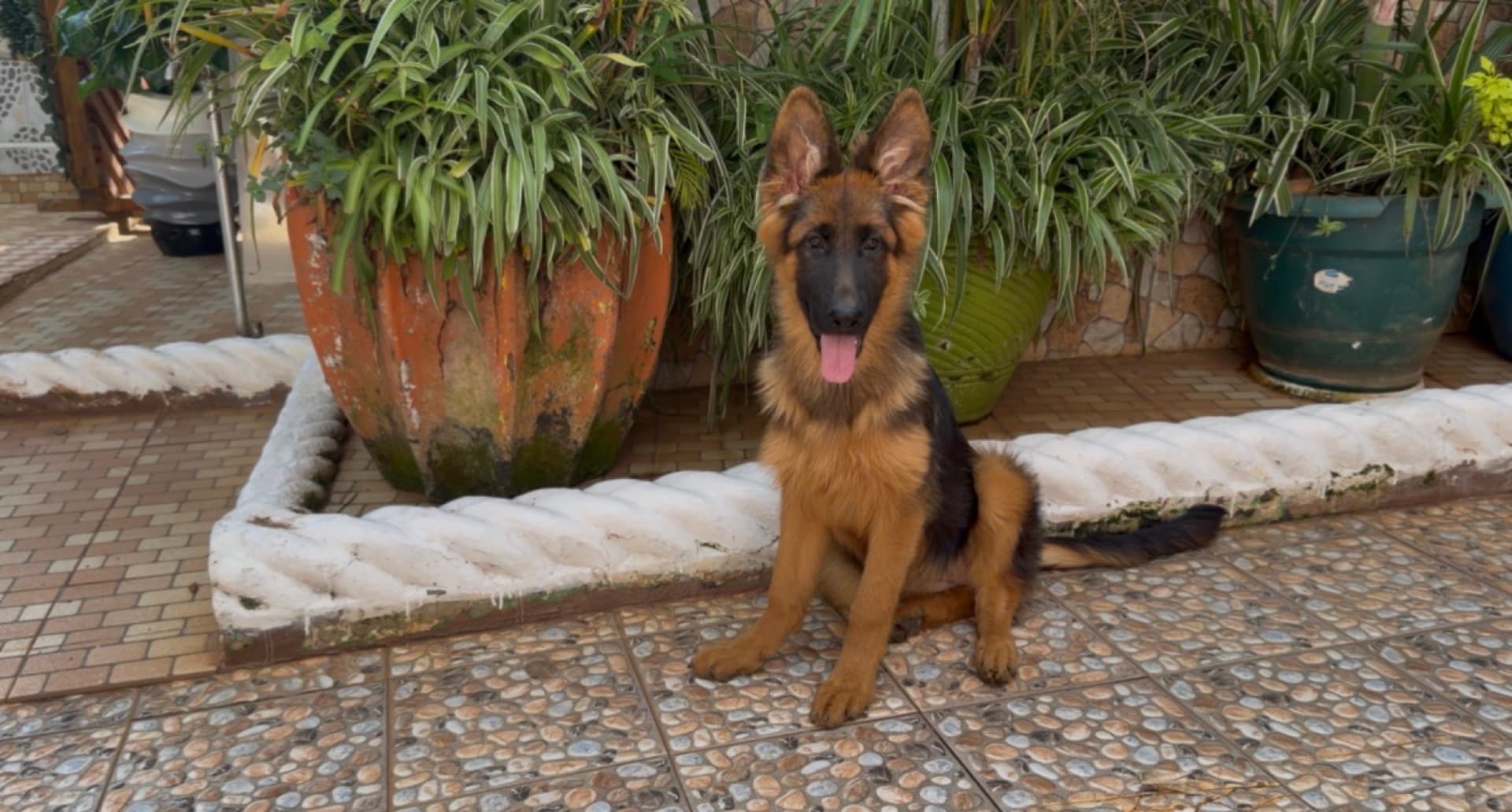

Sable German Shepherds in Kenya: Colour, Genetics & What to Know
The sable German Shepherd — the classic wolf-like colour of the original working dogs — is drawing growing interest in Kenya. Here's what sable actually is, the genetics, the types, and what it means for temperament and price.
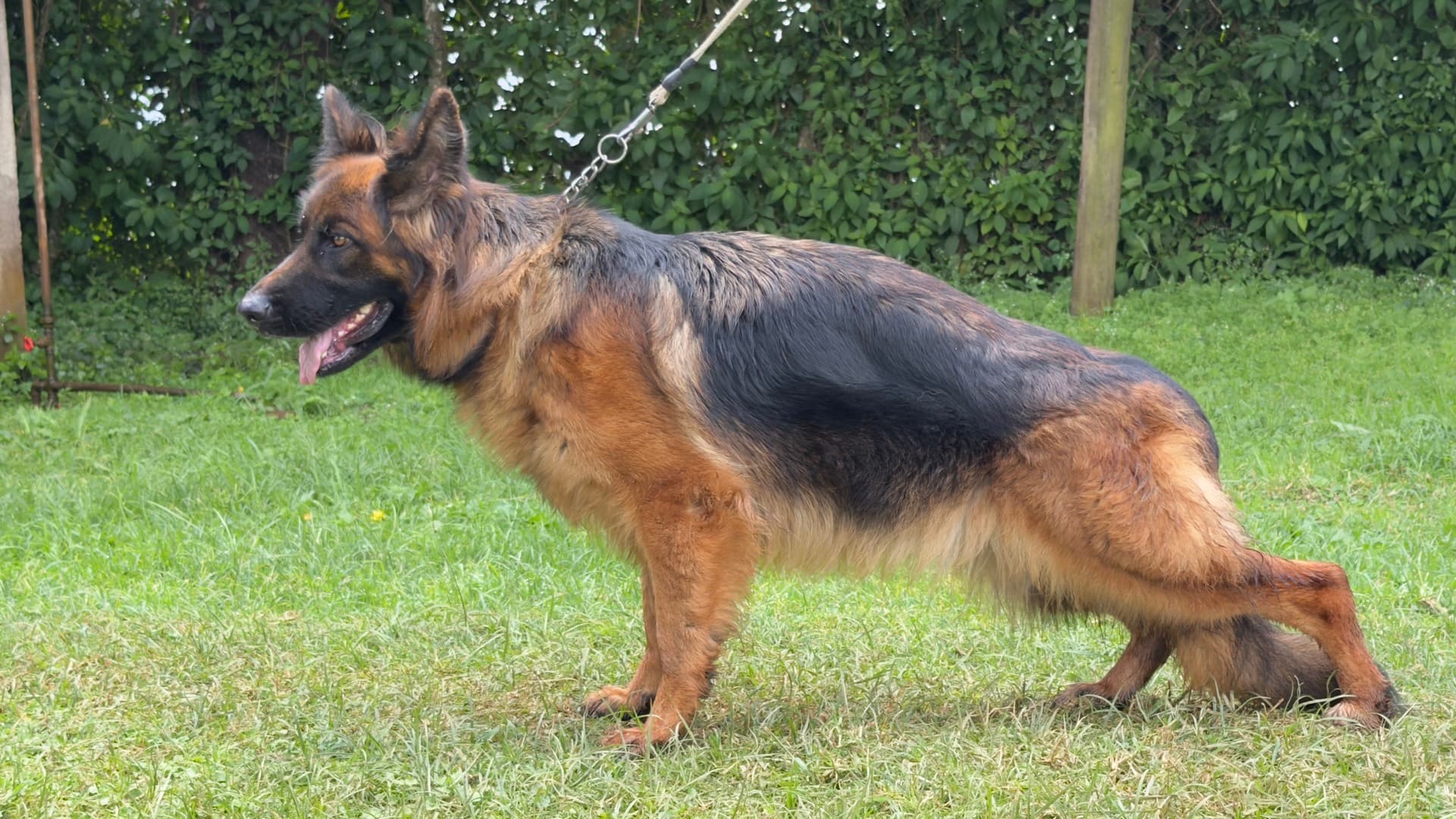
Of all the German Shepherd colours, sable is the one that looks most like the breed's wild ancestor — a wolf-grey or golden coat where the colour seems to shift as the dog moves. It is the oldest colour in the breed (the very first registered German Shepherd was a sable), it dominates the working lines, and interest in it is growing among Kenyan buyers who want that classic, rugged look. This guide explains what sable really is, the genetics behind it, the different types you'll see, and what it means — and doesn't mean — for temperament and price.
What is a sable German Shepherd?
Sable is not a single flat colour but a pattern. Each individual hair is banded — pale at the base, then black at the tip — so the coat reads as a rich wolf-grey, golden or reddish overlay that changes with the light. It is produced by the agouti gene, and unlike solid black (which is recessive), sable is dominant: a dog needs only one sable parent to be sable, which is part of why the colour is so common in working lines. If you want to compare it with the rarer colours, see our guides to the solid black German Shepherd and the white German Shepherd.
The types of sable you'll see
Sable comes in a range of shades: grey or silver sable, red or golden sable, and dark sable that can look almost black over the back. One thing surprises many first-time buyers — sable puppies often look quite different at birth from the adults they become, usually born darker and developing their full banded pattern over the first months. A breeder who knows their lines can tell you how a sable pup is likely to mature.
Are sable German Shepherds working dogs?
Sable is strongly associated with working and protection lines, so many sable Shepherds do come from high-drive, working-bred stock. But it is worth being clear: the colour does not create the temperament — the bloodline does. A sable from calm, family-bred parents will be a calm family dog; a sable from intense working lines will have working drive. Judge the parents and the lines, not the coat. If you're weighing the breed for your home, see are German Shepherds good for Kenyan homes, and for the coat-length choice, our long coat vs stock coat guide.
Do sable German Shepherds cost more in Kenya?
Colour is a minor factor in price compared with what really matters — health-tested parents, a verifiable pedigree, and how the puppy is raised. A sable from documented, hip-scored lines is worth far more than a cheaper sable with no papers, whatever the shade. For the full picture of what German Shepherds cost here and why, read our German Shepherd price guide for Kenya.
Buying a sable German Shepherd in Kenya
Buy a sable the same careful way you'd buy any Shepherd: insist on seeing the parents, ask for the pedigree and health testing, get the records in writing, and choose a registered breeder you can visit. Our guide on how to choose an ethical German Shepherd breeder in Kenya covers exactly what to look for.
Whatever colour draws your eye — sable, black-and-tan or solid black — remember that health, temperament and pedigree matter far more than the coat. At Citadel K9s we breed from health-tested, EAKC-registered lines and are always honest about what we have; tell us the look you're hoping for and talk to us about the right puppy for your home.
Ready to see who's currently available?
View available puppies