
How Big Do German Shepherds Get? A Kenyan Growth Guide
Wondering how big your German Shepherd will get — or whether your puppy is growing normally? Here's a month-by-month size guide for Kenyan owners: what's typical, when they stop growing, and what actually affects it.
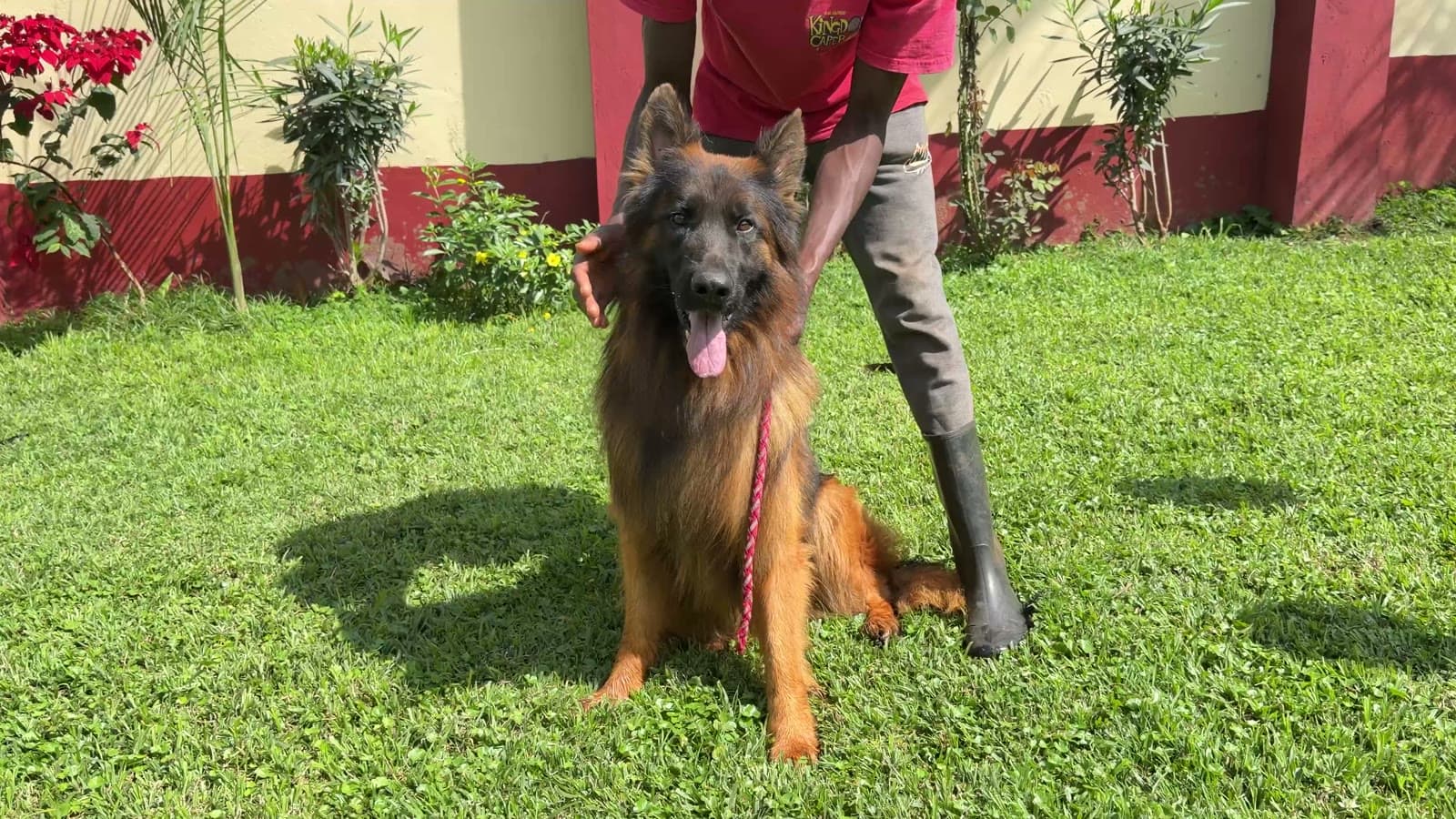
How big do German Shepherds get? Adult male German Shepherds typically stand 60–65 cm at the shoulder and weigh 30–40 kg; females are smaller, at 55–60 cm and 22–32 kg. Most reach close to full height by about 12 months and keep filling out in muscle and chest until two to three years of age.
“How big will my German Shepherd get?” is one of the first questions new owners ask — usually meaning two things at once: how large will my dog be as an adult, and is my puppy growing the way it should right now? Both are fair questions, and both have clear answers. German Shepherds are a large, powerful breed, and knowing what to expect helps you feed, exercise and plan for your dog properly.
How big is a full-grown German Shepherd?
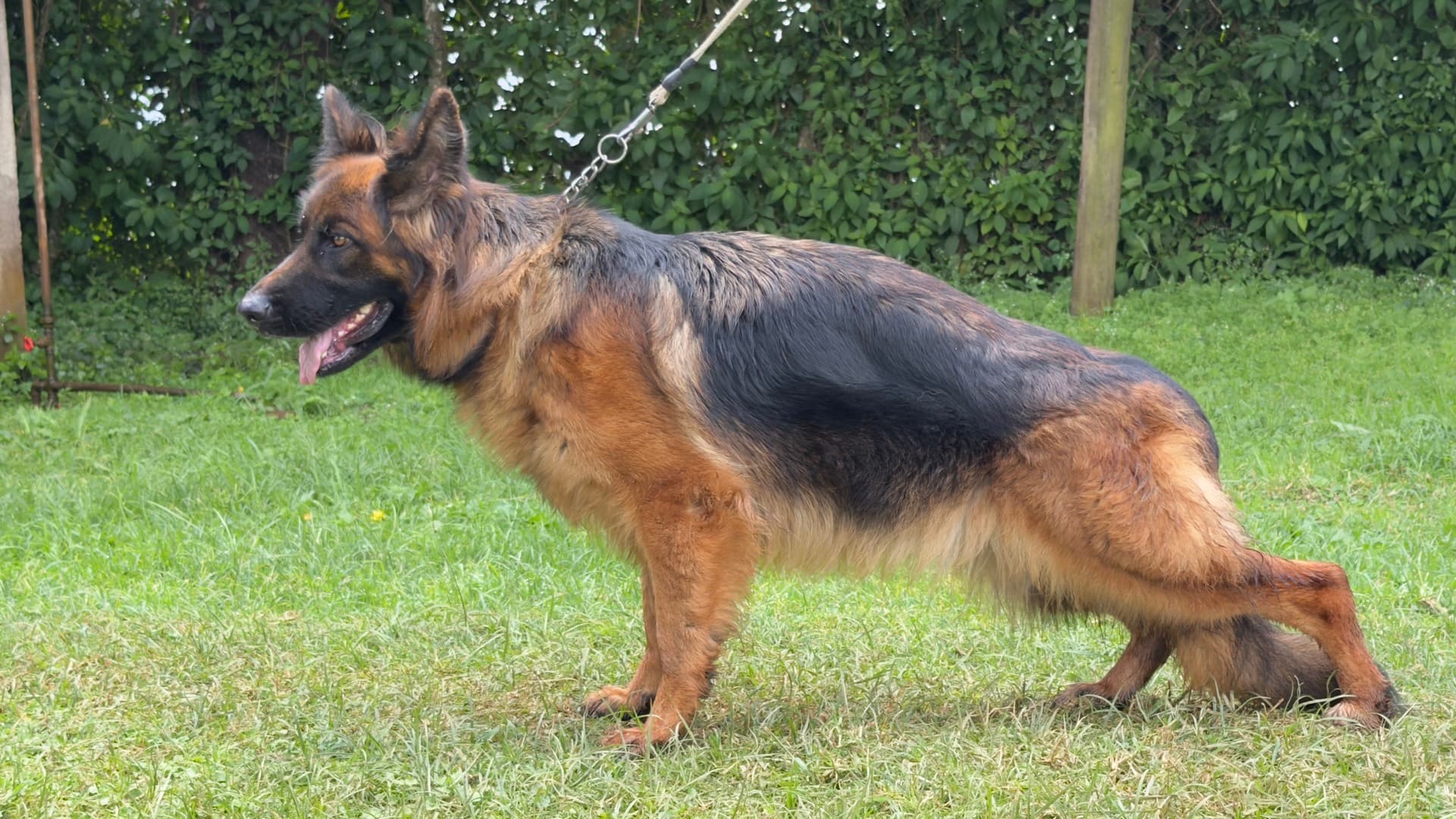
A fully grown male German Shepherd typically stands about 60–65 cm at the shoulder and weighs roughly 30–40 kg. Females are noticeably smaller, at about 55–60 cm and 22–32 kg. Long-coat Shepherds can look larger because of the coat, but their frame sits in the same range. These are the breed norms; a well-bred dog from health-tested parents will usually land within them.
German Shepherd growth by age
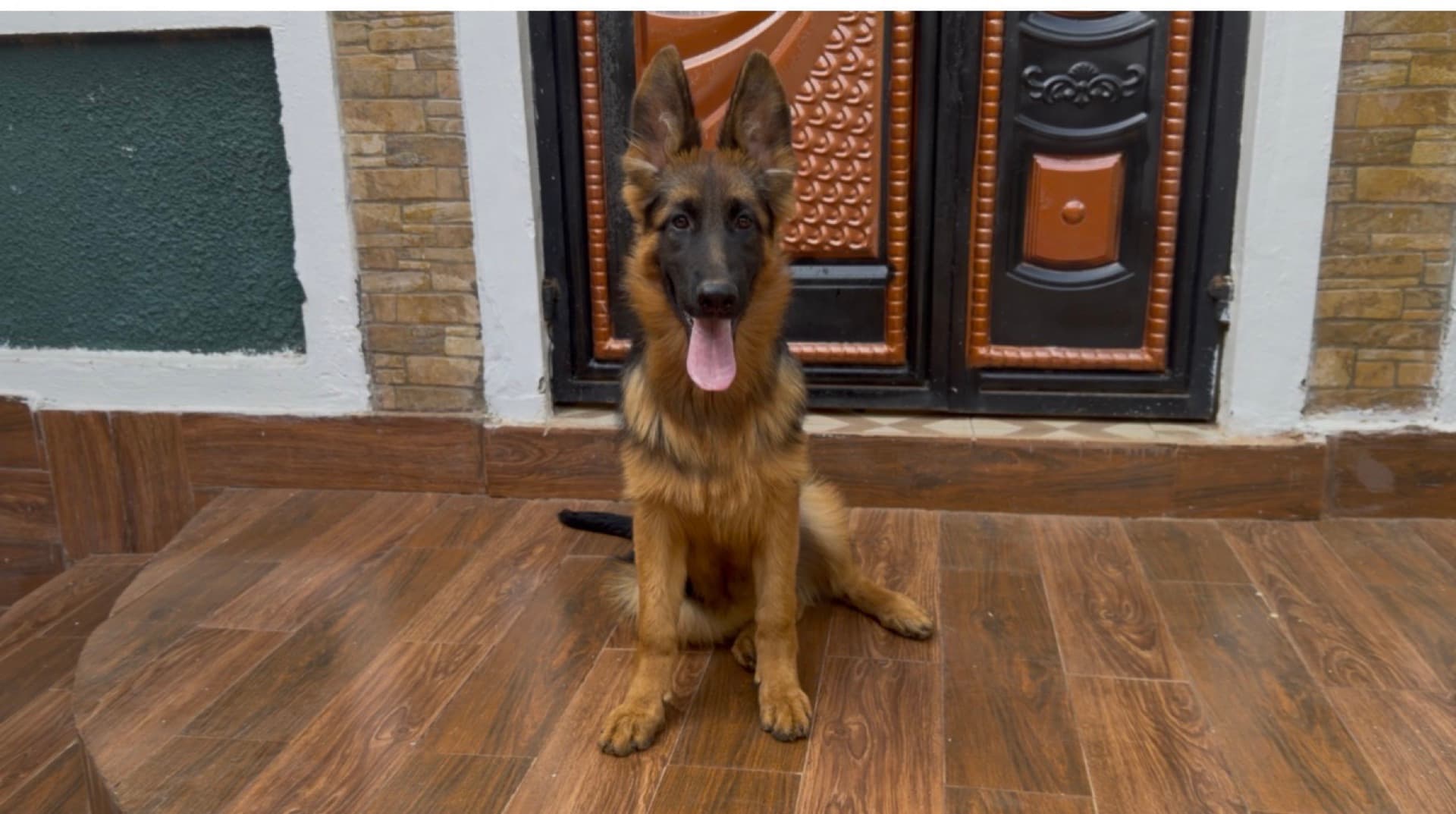
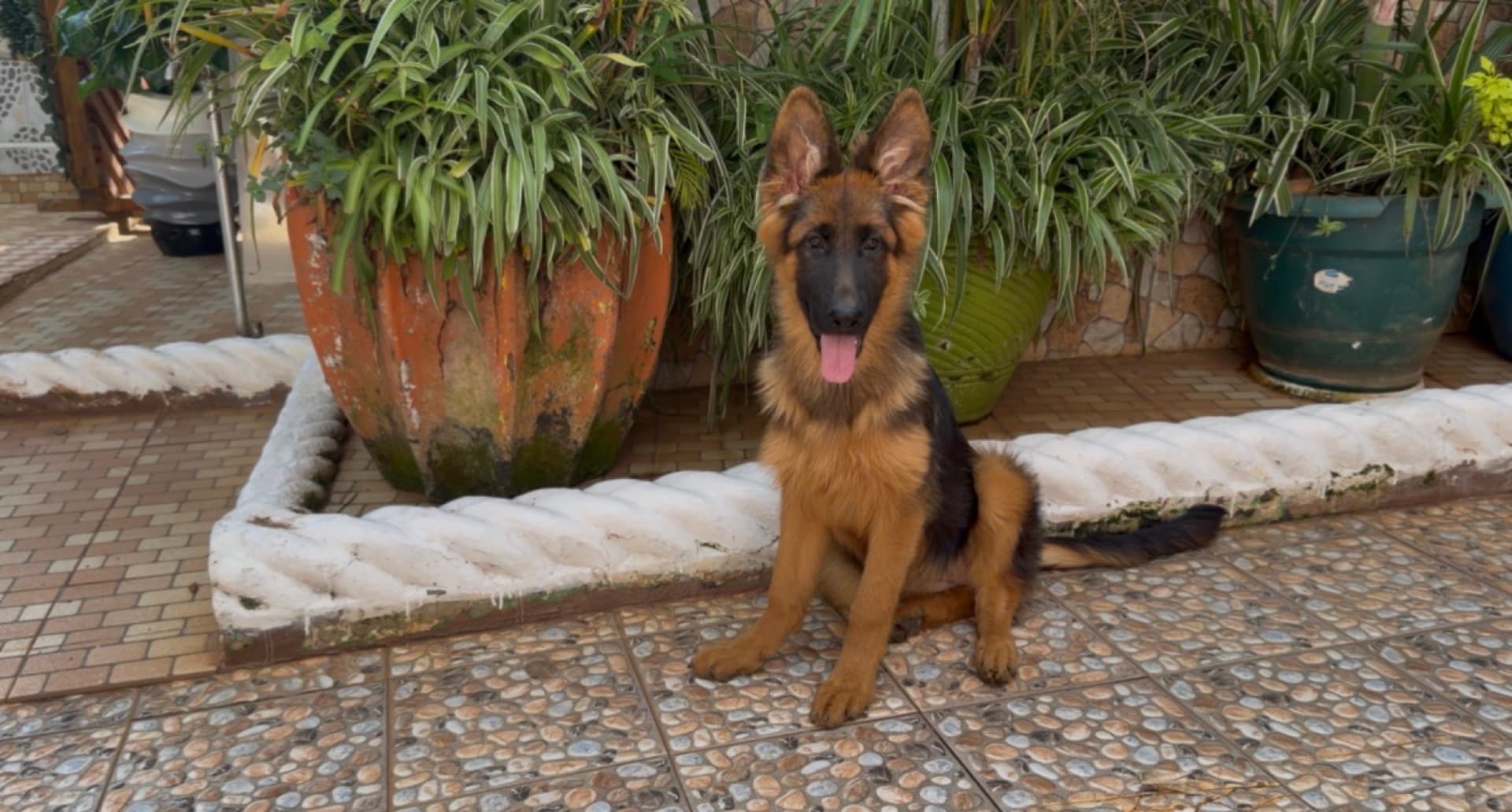
Puppies grow fastest in the first six months, then slow down as they fill out. The figures below are typical ranges — your puppy may sit a little above or below, and the surest guide is always the size of its parents.
| Age | Male (typical) | Female (typical) |
|---|---|---|
| 8 weeks | 5.5 – 9 kg | 4.5 – 8 kg |
| 3 months | 10 – 16 kg | 8 – 14 kg |
| 6 months | 20 – 26 kg | 16 – 22 kg |
| 9 months | 26 – 32 kg | 20 – 27 kg |
| 12 months | 28 – 35 kg | 22 – 30 kg |
| Adult (2 yrs) | 30 – 40 kg | 22 – 32 kg |
When do German Shepherds stop growing?
Most German Shepherds reach close to their full height by 12–18 months, but they keep filling out — in chest, muscle and overall substance — until around two to three years of age. So a lanky, gangly “teenager” at ten months is completely normal; the bulk comes later. Don't judge your dog's final build too early.
What affects your puppy's size
Three things matter most. Genetics come first — the single best predictor of your puppy's adult size is how big its parents are, which is one more reason to meet them before you buy. Sex is next, with males consistently larger than females. And nutrition matters enormously: a growing large-breed puppy needs good, balanced food, but overfeeding to force fast growth is harmful, not helpful — it stresses developing joints and can worsen problems like hip dysplasia. Steady, healthy growth beats rapid growth every time.
Is my puppy growing normally?
Look for steady, even growth and a healthy body condition — you should be able to feel your puppy's ribs without seeing them starkly, and there should be a visible waist. In Kenya, keep an eye out for the usual culprits behind poor growth: worms (a pot-bellied but thin puppy is a classic sign), skipped vaccinations, and poor-quality feed. Regular deworming, a good diet and routine vet checks keep growth on track. A puppy from a responsible breeder, with proper early care, rarely surprises you.
Every dog is an individual — these ranges are typical, not guarantees. If you want the clearest picture of how big your puppy will grow, look at its mother and father. Their size, more than any chart, is what your dog will inherit.
This is exactly why we encourage every family to meet the parents before choosing a puppy. At Citadel K9s our long-coat German Shepherds are raised to the breed standard and fed for healthy, steady growth — and when you visit, you can see for yourself the size and structure your puppy is likely to grow into.
Ready to see who's currently available?
View available puppies